The Art of Minimalism: Leveraging Continuous Line Design of Toys for Modern Branding
In an era where visual noise is ubiquitous, the power of restraint has never been more potent. For designers, marketers, and entrepreneurs, the challenge lies not in adding more elements, but in distilling complex ideas into their purest forms. This is where the Continuous Line Design of Toys emerges as a transformative aesthetic and strategic tool. By reducing intricate objects to a single, unbroken stroke, this style captures the essence of playfulness while maintaining a sophisticated, minimalist elegance. It is not merely a trend; it is a reflection of a broader shift in consumer psychology and design philosophy that values clarity, fluidity, and emotional resonance.
Defining the Aesthetic: Simplicity Through Continuity
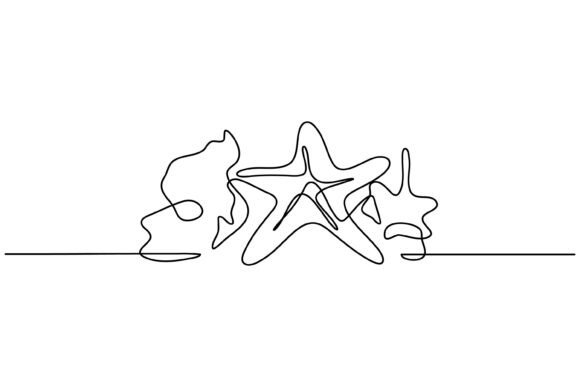
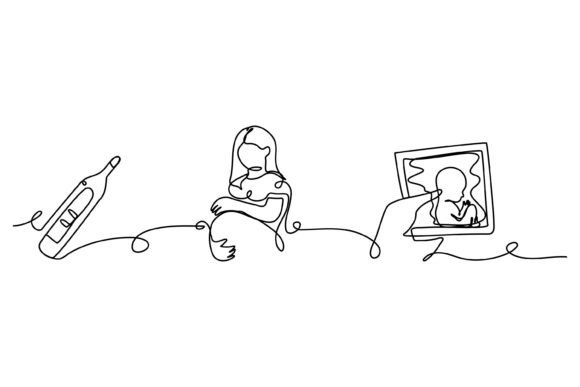
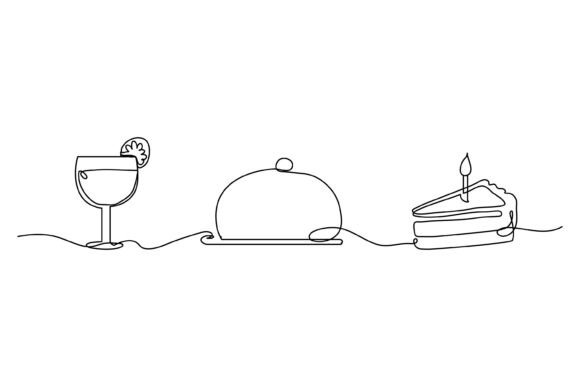
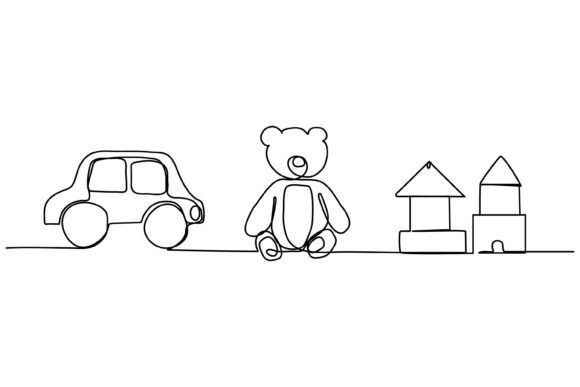
At its core, Continuous Line Design of Toys is an artistic technique where a drawing is created without lifting the pen or brush from the surface. When applied to toys—whether classic wooden blocks, plush animals, or modern action figures—the result is a stylized representation that relies on contour and flow rather than shading or color complexity. This approach forces the viewer’s eye to travel along a specific path, creating a dynamic sense of movement and connection.
The appeal of this style lies in its duality. On one hand, it is playful and accessible, evoking the innocence and simplicity of childhood. On the other, it is highly refined and modern, aligning with contemporary interior design trends that favor clean lines and open spaces. For professionals in the creative industry, understanding this balance is crucial. The single line decorative element drawn on white background serves as a versatile canvas, allowing the design to stand out starkly against various media, from digital screens to physical packaging.
Market Relevance and Consumer Trends
Why are people paying attention to this specific design methodology now? The answer resides in the changing preferences of modern consumers, particularly millennials and Gen Z parents who are driving the baby and children’s product markets. There is a marked departure from the hyper-saturated, plastic-heavy aesthetics of previous decades toward materials and designs that feel organic, calm, and intentional.
The Continuous line design of toys baby niche, in particular, taps into the "Montessori-inspired" and "Scandinavian minimalism" movements. Parents are increasingly seeking products that stimulate imagination without overstimulating the senses. A toy depicted in continuous line art suggests simplicity and quality. It signals to the consumer that the brand values thoughtful design over gimmicky features. This alignment with lifestyle trends makes the asset invaluable for marketers aiming to position their products as premium, eco-friendly, or educationally focused.
Furthermore, in the digital landscape, minimalism performs exceptionally well. Social media feeds are cluttered; a clean, single-line illustration cuts through the chaos. It is instantly recognizable and easily digestible, making it ideal for Instagram stories, Pinterest boards, and website headers. For freelancers and content creators, utilizing this style can significantly enhance brand cohesion and visual identity.
Practical Applications for Entrepreneurs and Creators
For entrepreneurs and small business owners, the versatility of Continuous Line Design of Toys offers numerous practical applications. It is not limited to product packaging. Consider its utility in:
- Brand Identity: Logos and icon sets that use continuous lines convey approachability and creativity.
- Web Design: Hero images and section dividers that utilize single-line drawings create a seamless user experience.
- Print Media: Business cards, brochures, and lookbooks benefit from the elegant whitespace inherent in this style.
- Social Media Content: Animated reels showing the line being drawn can engage audiences and highlight the craftsmanship behind a brand.
The key to leveraging this design effectively is consistency. When a brand adopts this aesthetic, it should permeate all touchpoints. This creates a memorable visual language that customers associate with clarity and trust. For marketers, this means moving beyond generic stock imagery and investing in custom assets that reflect their unique value proposition.
Technical Workflow and Asset Utility
From a technical standpoint, the value of these designs is amplified by their file formats. Professionals require assets that are scalable and editable to fit diverse workflows. When you acquire high-quality continuous line designs, you typically receive a suite of formats including EPS, SVG, and JPG. Each format serves a distinct purpose in the modern creative ecosystem.
- EPS (Encapsulated PostScript): This vector format is essential for print professionals. It ensures that the continuous lines remain crisp and sharp regardless of the size, from a small business card to a large billboard. It is compatible with industry-standard software like Adobe Illustrator, allowing for easy customization of line weight and color.
- SVG (Scalable Vector Graphics): For web developers and digital designers, SVG is the gold standard. These files are lightweight, load quickly, and remain resolution-independent on any screen size. They can also be manipulated via CSS, enabling interactive effects such as line-drawing animations on hover, which enhances user engagement.
- JPG (Joint Photographic Experts Group): While not scalable, JPGs are universally compatible and ideal for quick previews, social media posts, or contexts where vector editing is not required. They provide a ready-to-use snapshot of the design.
Understanding how to utilize these formats empowers creators to integrate Continuous Line Design of Toys seamlessly into their projects. It removes technical barriers and allows for greater creative freedom. For instance, a freelancer might use the SVG version to animate a logo reveal on a client’s website, while using the EPS version to design high-resolution packaging mockups.
The Broader Creative Implication
Beyond immediate commercial applications, the rise of continuous line art reflects a deeper cultural shift towards mindfulness and intentionality. In a fast-paced world, the act of creating or viewing a single, unbroken line can be meditative. It represents connectivity and wholeness. For brands, associating with this symbolism can deepen emotional connections with their audience.
Moreover, this design style encourages inclusivity. By stripping away detailed facial features or specific cultural markers, continuous line drawings often become universal symbols. A teddy bear drawn in a single line is recognizable to anyone, anywhere, regardless of language or background. This universality is a powerful asset for businesses looking to expand into global markets.
As technology advances, we may see these static lines evolve into interactive experiences. Augmented reality (AR) apps could allow children to trace these lines in mid-air, bridging the gap between digital and physical play. However, even in its current static form, the Continuous line design of toys baby aesthetic remains a robust tool for communication.
Conclusion: Embracing the Power of Less
The Continuous Line Design of Toys is more than a stylistic choice; it is a strategic asset for modern professionals. It aligns with contemporary consumer desires for simplicity, quality, and authenticity. By integrating these designs into their workflows, entrepreneurs, marketers, and creators can elevate their brand presence and connect with their audience on a deeper level.
Whether you are designing a new line of eco-friendly baby products, revamping a digital portfolio, or creating content for social media, the elegance of the single line offers a pathway to distinction. It reminds us that in design, as in life, sometimes the most powerful statement is made with the simplest gesture. As you move forward in your creative endeavors, consider how the fluidity and grace of continuous line art can enhance your narrative and streamline your visual identity. The future of design is not about adding more; it is about refining what matters most.