Continuous Line Design of Examination: Integrating Minimalist Art into Professional Workflows
In the modern digital landscape, visual communication is no longer just about decoration; it is a functional component of user experience, branding, and information hierarchy. The Continuous Line Design of Examination represents a specific aesthetic approach that merges artistic minimalism with structural clarity. This style, characterized by a single, unbroken stroke that defines form without lifting the "pen," offers a unique solution for professionals seeking to convey complexity through simplicity. Whether you are a marketer designing a campaign, an educator creating study materials, or a developer building a user interface, understanding how to leverage this design philosophy can streamline your creative process and enhance the final output.
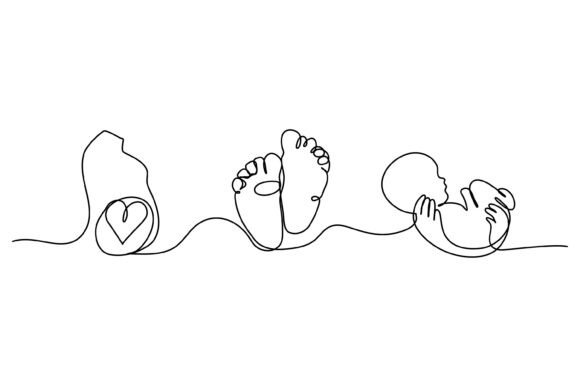
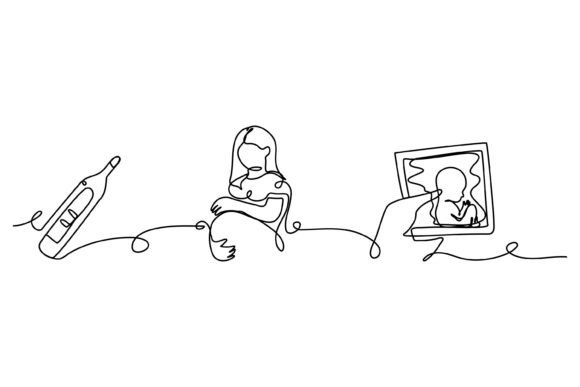
The concept extends beyond mere illustration. When applied to the continuous line design of examination of pregnant women, for instance, the technique transforms a clinical subject into a dignified, flowing representation of life and care. This specific application highlights the versatility of the medium: it can handle sensitive, organic subjects with grace while maintaining the technical precision required for professional use. By utilizing assets available in EPS, SVG, and JPG formats, creators can integrate these elements seamlessly into diverse projects, from high-resolution print media to scalable web graphics.
Understanding the Aesthetic and Functional Value
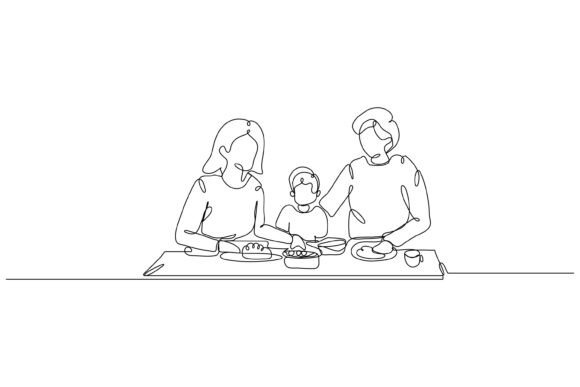
At its core, continuous line art relies on economy of motion. Every curve and angle serves a dual purpose: defining the subject and maintaining the integrity of the single path. For professionals, this translates to visual efficiency. In a world where attention spans are short, designs that communicate quickly and clearly have a distinct advantage. The Continuous Line Design of Examination strips away unnecessary noise, forcing the viewer to focus on the essential contours of the subject.
This aesthetic is particularly effective in fields that require trust and clarity, such as healthcare, education, and corporate consulting. The unbroken line suggests continuity, connection, and wholeness. When used in branding or informational graphics, it subconsciously reinforces messages of reliability and seamless service. For entrepreneurs and small business owners, adopting this style can help differentiate their visual identity from competitors who rely on generic stock imagery or overly complex illustrations.
Format Versatility: EPS, SVG, and JPG
A critical aspect of implementing this design style is understanding the technical formats in which these assets are delivered. The value of a single line decorative element drawn on white is significantly amplified when it is accessible in multiple file types. Each format serves a distinct role in a professional workflow:
- SVG (Scalable Vector Graphics): This is the preferred format for web developers and UI designers. SVGs are code-based, meaning they remain crisp at any size and have small file sizes, which improves page load speeds. They are also easily manipulatable via CSS, allowing for interactive hover effects or color changes without needing new image files.
- EPS (Encapsulated PostScript): Ideal for print professionals and graphic designers using software like Adobe Illustrator or InDesign. EPS files preserve vector data, ensuring that large-format prints, such as banners or brochures, retain perfect edge quality without pixelation.
- JPG (Joint Photographic Experts Group): While not scalable, JPGs are universally compatible. They are useful for quick previews, social media posts, or embedding in documents where vector support is limited. Having a high-resolution JPG ensures that non-designers can still utilize the asset effectively.
By securing assets that include all three formats, you future-proof your design resources. You avoid the bottleneck of needing to convert files or hire a designer to recreate an asset for a different medium. This preparation is a hallmark of efficient project management.
Integrating Continuous Line Design into Workflow Stages
The utility of the Continuous Line Design of Examination is not limited to the final production phase. It can be integrated into various stages of a project lifecycle, enhancing both planning and execution.
Pre-Production and Conceptualization
During the brainstorming phase, continuous line sketches can serve as rapid prototyping tools. Because the style demands simplicity, it forces creators to identify the core essence of a concept before investing time in detailed rendering. Educators and trainers can use these simplified visuals to map out lesson plans or process flows, ensuring that the fundamental logic holds up before adding decorative details. This aligns with lean methodology principles, where minimizing waste and focusing on value are paramount.
Production and Asset Creation
In the execution phase, the availability of pre-made continuous line assets accelerates content creation. Bloggers and marketers can use these elements to break up text, create custom headers, or illustrate abstract concepts without starting from scratch. For example, a health blog discussing prenatal care might use the continuous line design of examination of pregnant women to accompany an article. This approach maintains a consistent visual theme while respecting the sensitivity of the topic. The clean, white background of these assets ensures they blend seamlessly with existing brand guidelines, requiring minimal adjustment.
Post-Production and Distribution
Once content is created, the scalability of vector formats allows for easy repurposing. A single design can be resized for an Instagram story, a LinkedIn header, or a printed flyer without loss of quality. This consistency across platforms strengthens brand recognition. Furthermore, the minimalist nature of continuous line art ensures that it does not clash with other design elements, such as typography or photography. It acts as a supportive layer rather than a dominant force, making it ideal for composite layouts.
Practical Implementation Tips for Professionals
To maximize the impact of Continuous Line Design of Examination in your work, consider the following practical strategies:
- Maintain Visual Hierarchy: Use line weight and density to guide the viewer’s eye. Thicker lines can denote importance or foreground elements, while thinner lines can suggest background or secondary details. Even within a single continuous line, varying the stroke width can add depth and interest.
- Leverage Negative Space: The power of continuous line art lies in what is not drawn. Allow the white background to participate in the composition. This reduces visual clutter and enhances readability, which is crucial for mobile-first designs where screen real estate is limited.
- Ensure Contextual Relevance: While the style is versatile, it must fit the tone of the message. The continuous line design of examination of pregnant women works well in healthcare contexts because it conveys gentleness and professionalism. However, the same style might need adjustment for a high-energy sports brand. Always evaluate whether the aesthetic aligns with the emotional goal of the project.
- Optimize for Accessibility: When using SVGs on the web, ensure that appropriate alt text and titles are included. This makes your content accessible to users with visual impairments who rely on screen readers. Additionally, maintain sufficient contrast between the line color and the background to meet WCAG guidelines.
Quality Control and Long-Term Usability
Integrating new design assets into a workflow requires rigorous quality control. Before deploying continuous line elements, verify that the paths are closed correctly if coloring is intended, and check for stray anchor points that might cause rendering issues in different browsers or print engines. Consistency is key; if you are building a library of assets, ensure that line weights and styles are uniform across all images. This creates a cohesive visual language that audiences can recognize and trust.
Long-term usability also depends on organization. Store your EPS, SVG, and JPG files in a structured directory with clear naming conventions. Tagging assets with relevant keywords, such as "medical," "minimalist," or "portrait," facilitates quick retrieval. For teams, using a digital asset management system can prevent version control issues and ensure that everyone is using the most up-to-date files.
Conclusion
The Continuous Line Design of Examination is more than a trend; it is a functional tool for clear, effective communication. By embracing this minimalist aesthetic, professionals can enhance their workflows, reduce design friction, and create visually compelling content that resonates with audiences. Whether you are illustrating sensitive medical topics or designing corporate branding, the flexibility of EPS, SVG, and JPG formats ensures that these assets can adapt to your needs. Focus on integration, consistency, and purposeful application to unlock the full potential of continuous line art in your professional practice.