Pottery-Vase Silhouettes: Integrating Graphic Assets into Design Workflows
In the realm of digital design and creative production, the efficiency of asset management often dictates the speed and quality of the final output. Pottery-Vase Silhouettes represent more than just static images; they are versatile design elements that bridge the gap between traditional craftsmanship and modern graphic application. For professionals ranging from marketing specialists to independent crafters, understanding how to effectively integrate these assets into existing workflows is essential for maintaining consistency and reducing production time.
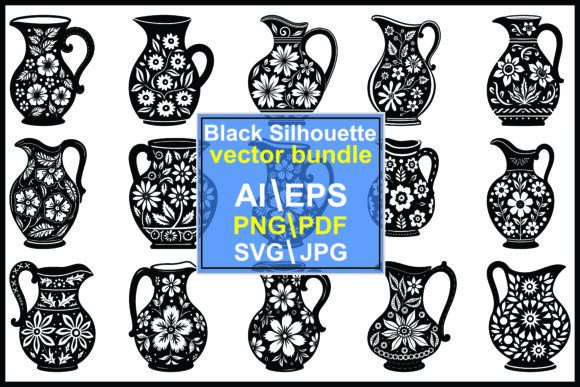
This collection of black silhouette ceramic vases and jugs with patterns offers a curated set of resources that can be deployed across various stages of a project. Whether you are developing brand identity materials, creating educational content, or designing home decor products, the strategic use of these silhouettes can enhance visual communication while preserving aesthetic integrity. The key lies not merely in possessing the files, but in knowing how to prepare, organize, and apply them within your specific operational context.
Understanding the Asset Structure and Compatibility
Before implementing any digital asset, it is crucial to understand its technical composition. This bundle is designed with interoperability in mind, containing five distinct file formats packaged within a single compressed archive. The inclusion of JPG, PNG, AI, EPS, SVG, and PDF files ensures compatibility with a wide spectrum of software environments, from basic word processors to advanced vector editing platforms.
The JPG and PNG files serve as raster images, ideal for quick previews, web-based content, or situations where vector editing is unnecessary. The PNG format, specifically, supports transparency, allowing for seamless layering over complex backgrounds without the need for manual background removal. On the other hand, the AI, EPS, and SVG files are vector-based. These are critical for scalability. Unlike raster images, vectors can be resized infinitely without losing resolution, making them indispensable for large-format printing, such as banners or signage, as well as high-precision laser cutting or vinyl plotting.
To access these resources, users must first extract the contents of the provided ZIP file. This step is fundamental to workflow preparation. Using standard extraction tools like WinZip, WinRAR, or the native extraction features of modern operating systems, the archive can be decompressed with a simple double-click. Organizing these extracted files into a dedicated folder structure immediately after extraction prevents data loss and streamlines future retrieval. A recommended practice is to categorize files by format or by specific design motifs, such as floral, geometric, or ornate patterns, to facilitate rapid selection during intense production phases.
Strategic Application in Creative and Commercial Projects
The utility of Pottery-Vase Silhouettes extends across multiple industries and creative disciplines. Their isolated nature on a white background makes them particularly adaptable for integration into diverse design contexts. Here is how these assets can be positioned within different professional workflows:
- Brand Identity and Packaging: For businesses specializing in home decor, kitchenware, or artisanal goods, these silhouettes can serve as primary logo elements or secondary graphics on packaging. The traditional and folk art aesthetics resonate with consumers seeking authenticity and handcrafted quality. By incorporating these shapes into label designs, brands can visually communicate values of heritage and craftsmanship without relying on verbose text.
- Digital Marketing and Social Media: Content creators and marketers can use these graphics to break up text-heavy posts or to create thematic borders for promotional materials. The symmetrical and stylized nature of the vases provides a balanced visual anchor that draws the eye. When used in email newsletters or blog headers, they add a layer of sophistication that aligns with lifestyle and interior design niches.
- Educational and Editorial Design: Educators and publishers can utilize these illustrations to support content related to art history, cultural studies, or design theory. The clear distinction between ancient, traditional, and modern styles allows for comparative analysis in visual presentations. In editorial layouts, these silhouettes function as effective drop caps or section dividers, enhancing readability while maintaining thematic coherence.
- Product Customization and Print-on-Demand: Entrepreneurs using print-on-demand services can apply these vector files directly to products such as tote bags, mugs, and throw pillows. The high contrast of black and white ensures that the designs remain visible and impactful on various fabric colors and textures. Because the files are pre-isolated, minimal preprocessing is required before uploading them to manufacturing platforms.
Workflow Integration and Quality Control
Integrating new assets into an established workflow requires a methodical approach to ensure consistency and quality. The process begins with selection and adaptation. While the silhouettes are ready-to-use, they often benefit from minor adjustments to fit specific brand guidelines. For instance, a designer might adjust the stroke weight of a geometric pattern to match the typography used in a campaign, or recolor a black silhouette to match a corporate palette. The vector formats (AI, EPS, SVG) make this level of customization straightforward and non-destructive.
Consistency is another critical factor. When using a collection of decorative elements, it is important to maintain a uniform style throughout a project. Mixing overly ornate, baroque-style vases with minimalist, modern jug silhouettes can create visual dissonance unless intentionally done for contrast. Reviewing the entire set before deployment helps identify which subsets—such as floral versus geometric—best suit the project’s tone. This preliminary audit saves time later by preventing mid-project redesigns.
Furthermore, consider the technical constraints of your output medium. If the final product is a digital screen display, optimizing file size is paramount. Converting heavy SVG or AI files into optimized PNGs or WebP formats can improve load times without sacrificing visual quality. Conversely, for print applications, ensuring that all vector paths are closed and that color profiles are set to CMYK (if required by the printer) avoids costly production errors. Regular quality checks at these transition points ensure that the aesthetic intent is preserved from screen to physical product.
Long-Term Value and Asset Management
Beyond immediate project needs, investing in a comprehensive bundle like this offers long-term value for creative professionals. Building a personal library of high-quality, versatile assets reduces the reliance on stock photography subscriptions and minimizes licensing complexities. Since these designs can be used for any purpose, they provide flexibility for both commercial and personal endeavors, eliminating the need to negotiate usage rights for each individual application.
Effective asset management involves more than just storage; it requires documentation and tagging. Adding metadata to your digital files or maintaining a simple spreadsheet that links file names to their visual characteristics (e.g., "jug_geometric_01.ai") can significantly reduce search time in future projects. As your collection grows, this organizational habit becomes increasingly valuable, allowing you to quickly retrieve specific design elements when deadlines are tight.
Additionally, these silhouettes can serve as a foundation for further creative exploration. Designers can use them as templates for hand-drawn iterations, combining digital precision with organic, handcrafted textures. This hybrid approach appeals to audiences who appreciate the warmth of traditional art forms alongside the clarity of modern design. By experimenting with layering, opacity, and composition, creators can generate unique variations that distinguish their work from competitors using the same base assets.
Conclusion
The Pottery-Vase Silhouettes collection is a practical tool for anyone involved in visual communication. Its value lies not only in the aesthetic appeal of the black and white patterns but in its technical versatility and ease of integration. By understanding the file formats, organizing assets efficiently, and applying them strategically across various mediums, professionals can enhance their productivity and elevate the quality of their output. Whether used for branding, education, or product design, these silhouettes offer a reliable foundation for creative execution, supporting both immediate tasks and long-term artistic goals.