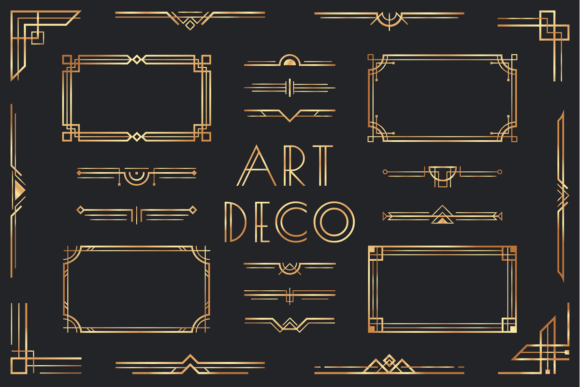
Golden Art Deco Elements: Ornamental Style
The roar of the twenties brought with it a design revolution that still captivates us today. Golden Art Deco elements represent more than just a historical aesthetic; they are a powerful tool for modern creators looking to inject sophistication, luxury, and geometric precision into their work. Whether you are designing a wedding invitation, branding a boutique hotel, or creating social media graphics, understanding how to use these ornamental assets can elevate your visual storytelling.
At its core, this style is defined by bold geometry, metallic finishes, and a sense of structured elegance. When we talk about an ornamental frame or a retro 1920s divider border, we are referring to specific vector assets that capture the spirit of an era obsessed with progress and glamour. These are not merely decorative add-ons; they are structural components that guide the viewer’s eye and establish a tone of exclusivity.
Understanding the Appeal of Vintage Luxury
Why do Golden Art Deco elements remain so popular nearly a century after their peak? The answer lies in their versatility and psychological impact. Gold has long been associated with wealth, success, and high quality. When combined with the sharp, symmetrical lines of Art Deco, the result is a visual language that communicates confidence.
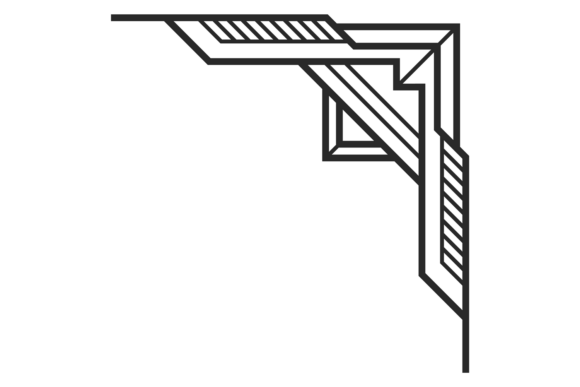
For entrepreneurs and small business owners, using a decorative gold corner vector set can instantly transform a simple flyer into a premium marketing piece. It signals to the customer that attention to detail matters. For bloggers and content creators, these elements provide a way to break up text and add visual interest without cluttering the layout. The appeal is universal because it bridges the gap between classic tradition and modern minimalism.
Consider the characteristics of a typical collection of fancy luxury metallic decorations. You will notice recurring motifs: sunbursts, chevrons, stepped forms, and stylized flora. These geometric ornaments in vintage style are designed to be modular. This means you can use a single corner piece to frame a quote, or combine multiple dividers to create a complex header. The value lies in this adaptability.
Practical Applications for Creators and Businesses
Knowing what these elements look like is one thing; knowing how to use them effectively is another. Here are several realistic scenarios where Golden Art Deco elements can solve design problems and enhance user experience.
- Event Invitations and Stationery: This is perhaps the most common use case. A retro 1920s divider border works perfectly to separate the date, time, and location details on a wedding or gala invitation. It adds structure to the text while maintaining a festive, celebratory mood.
- Digital Marketing Assets: Social media posts often suffer from visual noise. Using a subtle ornamental frame around a product photo or a testimonial quote can help the content stand out in a crowded feed. The gold tones contrast well with both dark and light backgrounds, making them versatile for Instagram, Pinterest, or LinkedIn.
- Website Headers and Footers: Web designers can use geometric ornaments in vintage style to create unique section breaks. Instead of a standard horizontal line, a stylized Art Deco divider can reinforce brand identity and add a touch of personality to an otherwise clean, modern website layout.
- Packaging Design: For small businesses selling luxury goods like cosmetics, jewelry, or artisanal foods, incorporating a decorative gold corner vector set into packaging labels can justify a higher price point. It suggests craftsmanship and heritage.
Enhancing Educational and Professional Materials
Educators and professionals can also benefit from these designs. A certificate of completion or an award looks significantly more prestigious when bordered by fancy luxury metallic decorations. In presentation decks, using Art Deco bullets or section dividers can keep the audience engaged and make the slides feel more polished and professional. It is a simple tweak that adds perceived value to intellectual property.
Key Considerations Before You Start Designing
While Golden Art Deco elements are powerful, they require a thoughtful approach. Overusing them can lead to a cluttered, dated look rather than a chic, vintage one. Here are important factors to consider before integrating these assets into your projects.
Balance is Crucial: Art Deco is inherently busy. If you use a heavy ornamental frame, ensure the rest of your design has ample white space. Do not crowd the frame with too much text or additional graphics. Let the gold elements breathe. The goal is elegance, not excess.
Color Harmony: Gold pairs beautifully with black, navy blue, emerald green, and deep burgundy. These combinations evoke the classic 1920s palette. However, gold can also work with soft pastels for a more modern, feminine take on the style. Avoid pairing bright gold with neon colors, as this can create visual discord unless you are aiming for a very specific, ironic pop-art effect.
Vector Quality Matters: When sourcing a decorative gold corner vector set, always ensure the files are high-resolution vectors (such as SVG or EPS formats). Raster images (like JPEGs) can become pixelated when scaled up, ruining the crisp lines that define Art Deco geometry. Vector files allow you to resize the geometric ornaments in vintage style infinitely without losing quality, which is essential for both web and print use.
Contextual Relevance: Ask yourself if the style fits your message. Golden Art Deco elements convey luxury, history, and celebration. They may not be suitable for a tech startup aiming for a futuristic, minimalist look, or for a brand focused on organic, rustic values. Ensure the aesthetic aligns with your brand voice.
How to Choose the Right Elements
With countless collections available, selecting the right collection of fancy luxury metallic decorations can be overwhelming. Look for sets that offer variety in line weight and complexity. Some projects require thin, delicate lines for a subtle touch, while others benefit from bold, thick borders that make a statement.
Check for modularity. A good set will include individual corners, side borders, and central dividers that can be mixed and matched. This flexibility allows you to create custom frames that fit any aspect ratio, from square social media posts to wide website banners. Avoid sets that only offer pre-made, rigid frames, as these limit your creative freedom.
Finally, consider the finish. Digital gold can look flat if not rendered correctly. Look for assets that simulate metallic textures, gradients, or foil effects. These details add depth and realism, making the retro 1920s divider border appear as though it was stamped in real gold leaf.
Incorporating Golden Art Deco elements into your design toolkit is an investment in visual quality. By understanding their characteristics and applying them with intention, you can create works that resonate with audiences seeking beauty, structure, and a touch of timeless glamour. Whether you are a beginner experimenting with your first layout or a seasoned professional refining a brand identity, these ornamental tools offer endless possibilities for creative expression.