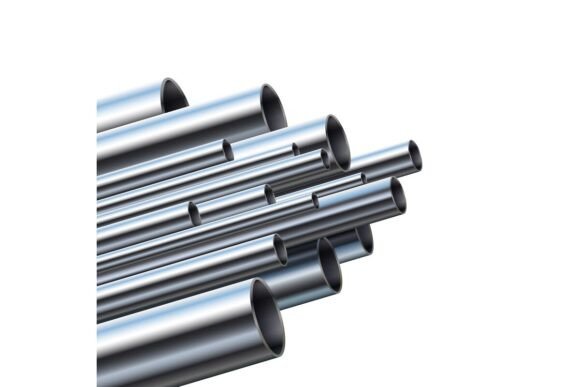
Understanding Industrial Different Diameter Metal: A Practical Guide to Selection and Application
In the complex landscape of modern infrastructure and manufacturing, the specification of materials is rarely a one-size-fits-all endeavor. Industrial different diameter metal components serve as the backbone for systems ranging from high-pressure fluid transport to sleek architectural facades. Whether you are an engineer designing a chemical processing plant or an interior designer selecting fixtures for a commercial space, understanding the nuances of varying pipe diameters and material properties is essential. This guide explores the practical considerations, material comparisons, and aesthetic applications of these critical industrial elements.
The Functional Importance of Variable Diameters
The term industrial different diameter metal refers not to a single product, but to a category of metallic tubing and piping available in a wide spectrum of sizes. The diameter of a pipe is arguably its most critical physical attribute, dictating flow rate, pressure capacity, and structural integrity. In industrial settings, the ability to source metal pipes in precise, varied diameters allows for optimized system design.
For instance, in plumbing and HVAC systems, larger diameter pipes are required for main supply lines to minimize friction loss and maintain pressure over long distances. Conversely, smaller diameter tubes are utilized for branch lines or instrument connections where space is constrained and flow volume is lower. The availability of shiny silver tubes for plumbing in standardized yet diverse sizes ensures that engineers can create efficient, leak-free networks tailored to specific operational demands.
Material Matters: Aluminum vs. Steel
When evaluating industrial different diameter metal pipes, the choice of material is just as significant as the dimensions. The two most prevalent options are aluminum and steel, each offering distinct advantages and tradeoffs.
- Steel Pipes: Known for their exceptional tensile strength and durability, steel pipes are the go-to choice for high-pressure applications, structural supports, and environments subject to heavy mechanical stress. Carbon steel is cost-effective and robust, while stainless steel offers superior corrosion resistance, making it ideal for food processing, pharmaceuticals, and outdoor installations. However, steel is heavier, which can increase transportation and installation costs.
- Aluminum Pipes: Aluminum provides a lightweight alternative with excellent natural corrosion resistance due to its oxide layer. It is highly malleable, allowing for easier fabrication into complex shapes. Aluminum is often preferred in aerospace, automotive, and decorative applications where weight savings are crucial. While generally more expensive per pound than carbon steel, its longevity in corrosive environments and ease of handling can offset initial costs.
Choosing between these materials requires a careful assessment of the operating environment. If the primary concern is load-bearing capacity, steel is likely the superior option. If weight reduction and corrosion resistance are priorities, aluminum may be the better fit.
Aesthetic Applications: Beyond Utility
While the primary function of metal pipes is often utilitarian, their visual appeal has led to a surge in decorative uses. The concept of a glossy metallic pipes vector illustration often translates into real-world design elements where the sleek, reflective surface of polished metal becomes a focal point. Modern interior design frequently incorporates exposed piping as a key feature of industrial-chic aesthetics.
Shiny silver tubes are no longer confined to hidden walls or ceilings. They are used as handrails, furniture legs, lighting fixtures, and partition frames. The reflective quality of polished aluminum or stainless steel adds a sense of openness and modernity to a space. When used as a modern decorative design element for banner, poster, or digital media, these metallic forms convey themes of precision, technology, and innovation.
Designers must consider the finish when selecting metals for visible applications. A mirror polish creates a high-impact, luxurious look but requires regular maintenance to prevent fingerprints and smudges. A brushed or satin finish offers a softer appearance that hides minor imperfections and requires less upkeep, making it a practical choice for high-traffic public areas.
Evaluating Tradeoffs and Decision Factors
Selecting the right industrial different diameter metal involves balancing several competing factors. There is no universally "best" choice; rather, there is the most appropriate solution for a specific context. Here are key decision factors to consider:
- Cost Efficiency: Initial material costs vary significantly between aluminum and steel, and between different grades of each. However, total cost of ownership should include installation labor, maintenance requirements, and expected lifespan. A cheaper material that corrodes quickly may prove more expensive in the long run.
- Environmental Conditions: Exposure to moisture, chemicals, extreme temperatures, or UV radiation can degrade certain metals. Stainless steel and aluminum perform well in corrosive environments, whereas carbon steel may require protective coatings such as galvanization or painting.
- Structural Requirements: Calculate the necessary pressure ratings and load-bearing capacities. Oversizing a pipe can lead to unnecessary expense and weight, while undersizing can result in system failure. Always consult engineering standards and codes relevant to your industry.
- Fabrication and Installation: Consider how easily the material can be cut, welded, bent, or joined. Aluminum is softer and easier to machine but requires specific welding techniques. Steel is harder to work with but offers versatile joining options, including threading and welding.
When to Choose Industrial Different Diameter Metal Pipes
Understanding when to utilize specialized metal piping solutions can prevent costly mistakes. Industrial different diameter metal pipes are the right choice when:
- You need a customized solution for a non-standard application where off-the-shelf components do not fit.
- The project demands a specific balance of strength, weight, and corrosion resistance that only certain metal alloys can provide.
- Aesthetic consistency is required, such as matching existing infrastructure or achieving a specific visual theme in architectural design.
- Long-term durability is a priority, and you are willing to invest in higher-quality materials to reduce maintenance frequency.
Conversely, you might consider alternative materials such as PVC, CPVC, or composite plastics if the application involves low-pressure water transport, non-corrosive fluids, or budget-constrained projects where metallic strength is not required. Plastics are lighter, cheaper, and easier to install in simple residential plumbing scenarios, but they lack the heat resistance and structural rigidity of metal.
Practical Examples in Industry
To illustrate these concepts, consider a few real-world scenarios. In a food processing facility, hygiene is paramount. Here, shiny silver tubes for plumbing made from sanitary-grade stainless steel are used. The smooth, glossy surface prevents bacterial buildup and allows for easy cleaning. The varying diameters accommodate everything from large intake lines to small sensor connections.
In contrast, an outdoor architectural sculpture might utilize large-diameter aluminum pipes. The lightweight nature of aluminum reduces the load on the supporting structure, while its natural resistance to rust ensures the piece remains visually appealing with minimal maintenance. The glossy metallic pipes reflect the surrounding environment, integrating the artwork into its setting.
Another example is in the automotive industry, where exhaust systems require pipes that can withstand high temperatures and corrosive gases. Stainless steel pipes of specific diameters are engineered to optimize exhaust flow, improving engine performance while resisting degradation over time.
Making an Informed Choice
Navigating the options for industrial different diameter metal requires a clear understanding of your project's specific needs. By evaluating the functional requirements, environmental conditions, and aesthetic goals, you can select the material and diameter that offer the best value and performance. Whether you are designing a complex industrial system or a stylish interior feature, the right metal pipe can enhance both functionality and visual appeal.
Remember to consult with suppliers who can provide detailed specifications and certifications for their products. Request samples when possible to assess the finish and quality firsthand. By taking a measured, informed approach to selection, you ensure that your investment in industrial different diameter metal pipes delivers lasting results.