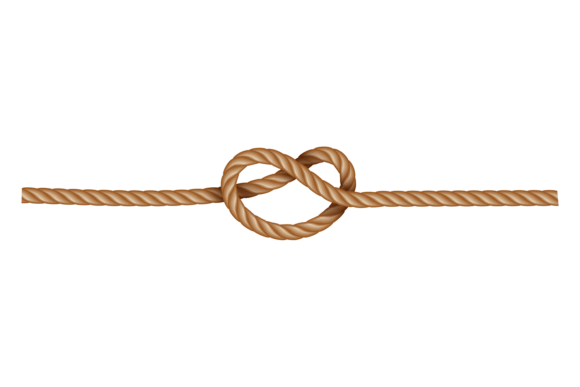
Sailing Knot Border: A Rope Loop Decorative Element for Nautical Design
There is a distinct charm to nautical aesthetics that transcends seasonal trends. Whether you are designing a coastal wedding invitation, branding a seaside café, or creating packaging for artisanal sea-salt products, the visual language of the ocean carries weight and emotion. At the heart of this aesthetic lies the sailing knot border, specifically the rope loop decorative element. This isn’t just a clipart afterthought; it is a foundational design tool that communicates texture, tradition, and maritime authenticity.
When we talk about a sailing knot border or a rope loop decorative element isolated on white background, we are referring to a versatile graphic asset that mimics the twisted fibers of marine rope arranged in intricate knots or continuous loops. These elements are typically available in high-quality formats like EPS, JPG, and transparent PNG, allowing designers to integrate them seamlessly into both print and digital media. But beyond the file types, the real value lies in how these elements transform flat designs into tactile experiences.
Bridging Tradition and Modern Branding
The primary appeal of the sailing knot border is its ability to evoke a sense of heritage. In an era of minimalist, flat design, adding a textured rope element introduces complexity and warmth. For businesses in the maritime industry—such as yacht charters, fishing tour operators, or naval supply stores—this isn’t merely decorative; it is brand reinforcement. A rope loop suggests strength, reliability, and connection. When a customer sees a well-rendered knot on a business card or a website header, it subconsciously signals that the brand understands the culture of the sea.
Consider a boutique hotel located on a historic harbor. Their branding needs to distinguish itself from generic beach resorts. By incorporating a rope loop decorative element into their stationery, menu covers, and signage, they create a cohesive narrative. The knot acts as a visual anchor, tying together various design components while reinforcing the location’s identity. It tells a story of craftsmanship and attention to detail, qualities that high-end hospitality clients actively seek.
Practical Applications in Event Design
One of the most dynamic uses for a sailing knot border is in event planning, particularly for weddings and corporate retreats held in coastal venues. The "nautical theme" can easily veer into cliché if not handled with sophistication. This is where the quality of the graphic asset matters. A low-resolution JPG might look pixelated and cheap, but a vector EPS file allows for infinite scalability without loss of quality. This means the same rope loop can be used on a massive welcome banner and a delicate place card, maintaining crisp edges and realistic shading.
For wedding invitations, the rope loop decorative element isolated on white background offers flexibility. Designers can use the transparent PNG version to overlay the knot onto textured paper scans, creating the illusion that the rope is physically resting on the cardstock. This layering technique adds depth. Imagine a deep navy blue invitation suite where a golden-hued rope knot frames the couple’s names. The contrast between the organic texture of the rope and the clean typography creates a balanced, elegant composition. It moves the design away from cartoonish anchors and starfish toward a more refined, adult interpretation of nautical style.
Packaging and Product Presentation
In the world of e-commerce and retail, unboxing is a critical touchpoint. Brands selling ocean-inspired products—such as skincare lines using seaweed extracts, candle makers with sea-breeze scents, or gourmet food producers—benefit immensely from thematic packaging. A sailing knot border can serve as a seal on product boxes or a decorative frame on labels.
Using a transparent PNG allows the rope element to sit naturally over various background colors. For instance, a craft beer brewery launching a limited-edition "Coastal IPA" might use a rugged, thick rope loop around the label’s central text. This visual cue prepares the consumer for the flavor profile before they even take a sip. It suggests raw ingredients and traditional brewing methods. The key here is consistency; the same knot style should appear across the bottle label, the six-pack carrier, and the promotional posters to build brand recognition.
Digital Media and Web Design Considerations
While print applications are obvious, the sailing knot border also has a place in digital environments. However, web designers must approach these elements with caution regarding load times and responsiveness. Heavy, detailed rope textures can distract from user interface clarity if not used sparingly. The best practice is to use the knot as a divider or a header accent rather than a full-background pattern.
For a travel blog focusing on sailing adventures, a subtle rope loop separating blog posts can enhance the thematic immersion without compromising readability. Because the element is often available as an EPS or SVG (derived from EPS), it can be coded directly into the website, ensuring it renders sharply on high-resolution Retina displays. This technical advantage ensures that the decorative element enhances rather than detracts from the user experience.
Choosing the Right Format and Style
Not all rope loops are created equal. When selecting a sailing knot border, consider the level of realism required. Some designs are stylized and flat, suitable for modern, playful brands. Others are hyper-realistic, with detailed shadows and fiber textures, ideal for luxury or traditional contexts.
- EPS Files: Best for professional printing and large-scale signage. They allow for color customization and scaling without quality loss.
- Transparent PNGs: Ideal for digital compositing, web design, and quick mockups. Ensure the resolution is high (300 DPI for print, 72-150 DPI for web) to avoid jagged edges.
- JPGs: Suitable for simple backgrounds where transparency is not needed, though less flexible than PNG or EPS.
A common mistake is ignoring the lighting direction. If your design has a light source coming from the top left, ensure the shadows in your rope loop element match that direction. Mismatched lighting breaks the illusion of reality and makes the design feel disjointed. Most high-quality rope loop decorative elements come with neutral lighting, but some adjustment in post-production may be necessary to blend them seamlessly into your specific layout.
Avoiding Clichés Through Subtlety
The danger with nautical themes is oversaturation. A sailing knot border should complement the content, not overwhelm it. If you are designing a menu for a seafood restaurant, let the food photography take center stage. Use the rope element as a subtle frame or a corner accent. Overusing decorative borders can make the design feel cluttered and dated. The goal is to evoke the feeling of the sea, not to recreate a pirate ship.
Furthermore, consider the cultural connotations. Certain knots have specific meanings in maritime history. While most decorative loops are generic, doing a bit of research can add an layer of authenticity. Using a bowline or a figure-eight knot correctly can resonate with knowledgeable audiences, such as sailing enthusiasts or naval veterans, adding a layer of respect and accuracy to your design.
Ultimately, the sailing knot border is a powerful tool in the designer’s arsenal. It bridges the gap between the digital and physical worlds, bringing the tactile roughness of rope into smooth, clean layouts. Whether you are crafting a brand identity, planning a memorable event, or packaging a product, this decorative element offers a timeless way to connect with audiences through the universal language of the sea. By choosing high-quality formats and applying them with restraint and intention, you can elevate your designs from ordinary to exceptional.