Reviving Nostalgia: A Guide to Festive Retro Christmas Tree Decorations and Modern Design Elements
The holiday season is a time steeped in tradition, memory, and visual splendor. For many, the centerpiece of this celebration is the Christmas tree, a symbol that transcends mere decoration to become a focal point of family gathering and festive spirit. In recent years, there has been a significant resurgence in the popularity of festive retro Christmas tree decorations. This trend is not merely about replicating the past; it is about curating an atmosphere of warmth, nostalgia, and timeless elegance. Whether you are a seasoned interior designer or a homeowner looking to refresh your seasonal decor, understanding the nuances of these decorations can transform your holiday experience.
The Allure of Retro Aesthetics in Modern Homes
Retro Christmas decorations evoke a specific era, typically ranging from the 1940s to the 1970s, characterized by bold colors, unique materials, and distinctive shapes. Unlike modern minimalist trends, retro decor embraces abundance and whimsy. The appeal lies in its ability to trigger emotional responses—memories of childhood holidays, family traditions, and a sense of continuity. Integrating these elements into contemporary spaces creates a striking contrast that is both stylish and comforting.
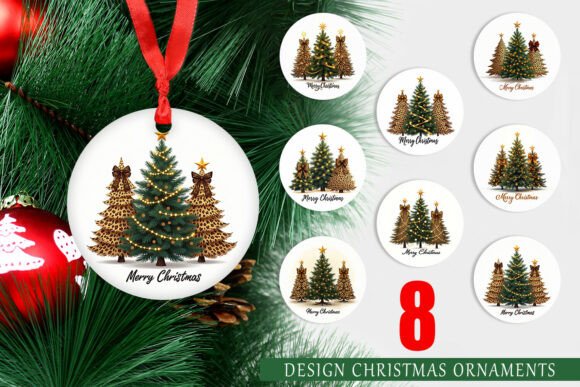
One of the key components of this aesthetic is the use of Christmas glass balls of different shapes and sizes. These ornaments, often referred to as baubles, were historically hand-blown and painted, resulting in slight imperfections that added to their charm. Today, high-quality reproductions capture this essence, offering a tactile richness that plastic alternatives often lack. The variation in size allows for a dynamic visual rhythm on the tree, preventing monotony and encouraging the eye to wander across the branches.
Understanding the Components of a Festive Collection
To truly master the art of retro tree decorating, one must understand the individual elements that compose the whole. A comprehensive collection typically includes a variety of items, each serving a specific visual purpose:
- Glass Baubles: Available in matte, shiny, or glittered finishes, these are the foundational elements of any tree.
- Decorative Figures: These include angels, Santa Claus figures, reindeer, and other whimsical characters that add personality and narrative to the display.
- Tree Toppers: Often overlooked, the star or angel at the apex completes the vertical line of the tree.
- Garlands and Tinsel: These provide texture and connect the disparate ornaments, creating a cohesive look.
When selecting these items, consider the color palette. Traditional retro schemes often feature deep reds, forest greens, golds, and silvers. However, mid-century modern influences might introduce pastel pinks, mint greens, and turquoise. The key is consistency within your chosen theme.
The Role of Digital Assets in Creative Design
In today’s digital age, the appreciation for festive decorations extends beyond physical objects into the realm of graphic design and digital media. Professionals and hobbyists alike utilize seasonal vector winter holiday illustrations to create greeting cards, social media content, packaging designs, and website banners. This intersection of physical tradition and digital creativity allows for broader dissemination of festive cheer.
For designers, having access to high-quality, versatile assets is crucial. A typical professional collection might offer a ZIP archive containing all necessary files. For instance, a premium set could include:
- 1 EPS vector file: This scalable format contains all elements, allowing for infinite resizing without loss of quality. It is ideal for large-format printing such as banners or billboards.
- 31 individual PNG files: These are pre-rendered images with transparent backgrounds, sized at 3000x3000px. They are perfect for quick integration into digital projects, web design, or mockups.
Each file is typically rendered in high quality at 300dpi resolution, ensuring crisp edges and vibrant colors whether viewed on a screen or printed on paper. This level of detail is essential for maintaining professionalism in commercial projects.
Mixing Elements to Create Unique Designs
The true power of such a collection lies in its flexibility. You can mix elements and create your own designs, tailoring the output to specific client needs or personal preferences. For example, you might combine a vintage-style glass bauble illustration with modern typography to create a contemporary holiday card. Alternatively, you could layer multiple decorative figures to construct a complex scene for a website hero image.
This creative freedom encourages experimentation. By isolating individual components—such as a single ornament or a specific figure—designers can rearrange them to suit various layouts. This modularity is particularly valuable in branding, where consistency across different media platforms is required. The ability to customize ensures that the festive imagery remains fresh and relevant, avoiding the clichés often associated with stock photography.
Practical Tips for Decorating Your Tree
Translating these concepts into physical decoration requires a strategic approach. Here are some practical steps to achieve a balanced and visually appealing retro Christmas tree:
Start with the Lights: Before adding ornaments, ensure your tree is evenly lit. Warm white lights complement retro colors better than cool blue tones, enhancing the nostalgic feel.
Layer Your Ornaments: Begin with larger Christmas glass balls placed deeper within the branches. This adds depth and prevents the tree from looking flat. Follow with medium-sized baubles, and finish with smaller accents near the tips.
Incorporate Decorative Figures: Place heavier or larger figures on stronger branches. Distribute them evenly to avoid clustering. Consider the sightlines from different angles in the room to ensure the tree looks good from all sides.
Add Texture: Use garlands, ribbons, or tinsel to fill gaps and add movement. Retro styles often favor metallic tinsel or bead garlands, which catch the light beautifully.
Finish with a Topper: Choose a topper that complements the scale of your tree. A large star or angel works well for traditional looks, while simpler geometric shapes suit mid-century themes.
The Significance of Quality and Detail
Whether dealing with physical ornaments or digital assets, quality is paramount. In physical decorations, the weight and finish of glass baubles contribute to their perceived value and longevity. In digital design, the resolution and format of files determine their usability and professional impact. High-quality 300dpi files ensure that details are preserved, whether it is the reflection on a glass ball or the intricate pattern on a decorative figure.
Moreover, the availability of both vector (EPS) and raster (PNG) formats caters to diverse needs. Vector files are essential for scalability, allowing designers to adapt images for anything from business cards to building wraps. PNG files, with their transparency, offer convenience for quick edits and composites. This dual-format approach maximizes the utility of the collection, making it a valuable resource for any creative professional.
Conclusion: Embracing the Spirit of the Season
Festive Christmas tree decorations, particularly those with a retro flair, offer more than just visual appeal; they provide a connection to history, tradition, and personal memory. By understanding the components—such as glass balls, decorative figures, and ornaments—and leveraging modern tools like seasonal vector illustrations, individuals can create meaningful and beautiful holiday displays. Whether you are decorating your home or designing festive graphics, the key lies in attention to detail, quality, and creative expression. Embrace the opportunity to mix elements, experiment with styles, and create designs that resonate with the joy and warmth of the season. In doing so, you not only enhance your immediate environment but also contribute to the enduring legacy of holiday celebration.
For those interested in exploring these design elements further, consider investing in comprehensive collections that offer versatility and high resolution. The ability to customize and adapt these resources ensures that your festive creations remain unique and impactful year after year. Remember, the goal is not just to decorate, but to evoke emotion and create lasting memories through the art of celebration.