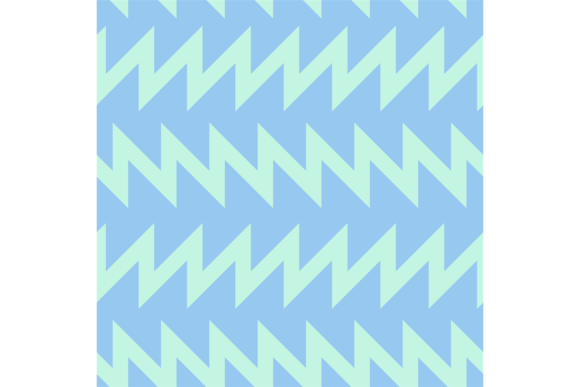
Geometric Fabric Pattern: Blue Textile D
In the evolving landscape of digital design and textile manufacturing, specific assets serve as foundational building blocks for creativity. One such asset is the Geometric Fabric Pattern. Blue Textile D. This resource represents more than just a visual motif; it is a versatile tool that bridges the gap between traditional craftsmanship and modern digital production. Whether you are working with vector illustration formats like EPS and SVG or raster images in JPG, understanding the utility of this pattern can significantly enhance your workflow.
The term "Blue Textile D" refers to a specific iteration within a broader collection of geometric designs. It typically features structured shapes—such as triangles, hexagons, or interlocking lines—rendered in varying shades of blue. The choice of blue is deliberate, evoking feelings of calm, professionalism, and reliability, which makes it a popular choice for both residential decor and corporate branding. When available in multiple file formats, including scalable vectors and high-resolution bitmaps, this pattern becomes accessible to a wide range of users, from hobbyists to industrial manufacturers.
Why Format Matters: EPS, SVG, and JPG
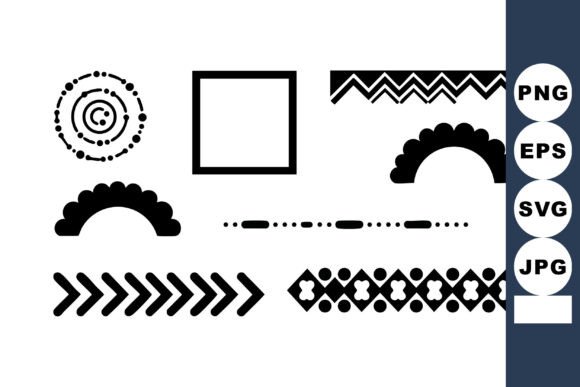
Before diving into specific use cases, it is crucial to understand why the file format of Geometric Fabric Pattern. Blue Textile D matters. The availability of this design in EPS, SVG, and JPG formats ensures that it can be adapted to almost any medium.
- EPS (Encapsulated PostScript): Ideal for professional printing and large-scale textile production. It allows designers to scale the pattern infinitely without losing quality, ensuring crisp lines on everything from throw pillows to upholstery.
- SVG (Scalable Vector Graphics): Perfect for web designers and digital creators. SVGs are lightweight and code-based, making them easy to manipulate with CSS or JavaScript for interactive websites or digital products.
- JPG (Joint Photographic Experts Group): Suitable for quick previews, mood boards, and digital mockups. While not scalable without quality loss, JPGs are universally compatible and easy to share across platforms.
Having access to all three formats means you are not locked into a single workflow. You can start with a JPG for concept validation, move to SVG for digital integration, and finalize with EPS for physical production.
Perspectives for Creators and Designers
For graphic designers and illustrators, Geometric Fabric Pattern. Blue Textile D serves as a time-saving asset. Creating complex geometric patterns from scratch requires precision and significant time investment. By utilizing a pre-made vector illustration, professionals can focus on composition and color theory rather than the minutiae of anchor points and bezier curves.
Consider a freelance designer working on a brand identity for a tech startup. The client requests a modern, trustworthy aesthetic. The designer can incorporate elements of the blue geometric pattern into the background of business cards or website headers. The scalability of the EPS file ensures that the logo or background element looks sharp on a tiny favicon and a large conference banner alike. Here, the priority is efficiency and professional polish.
Similarly, surface pattern designers who create collections for fabric printers can use this pattern as a base. They might modify the hue, adjust the spacing, or combine it with other motifs to create a unique textile line. The vector nature of the file allows for easy editing, fostering creativity and flexibility.
Applications for Small Business Owners and Entrepreneurs
Small business owners, particularly those in the home decor or fashion industries, benefit immensely from high-quality digital assets. For an entrepreneur launching a line of custom curtains or bedding, the Blue Textile decorative tile aspect of this pattern is invaluable. It allows for seamless tiling, meaning the pattern repeats without visible breaks, creating a continuous, professional look on large fabric rolls.
Cost-effectiveness is a major driver here. Hiring a custom illustrator for every product variant can be prohibitively expensive. Licensing or purchasing a versatile pattern like Geometric Fabric Pattern. Blue Textile D offers a lower entry cost while maintaining high perceived value. The ability to print this pattern on demand using digital textile printing technologies reduces inventory risk. Business owners can test the market with small batches before committing to large production runs.
Moreover, the psychological impact of the color blue cannot be overstated in marketing. Blue is often associated with trust and stability. For businesses selling sleep-related products, such as sheets or pillowcases, a calming blue geometric pattern can subtly reinforce the product’s benefit: restful sleep.
Educational and Hobbyist Uses
Educators and students in design schools often use vector illustrations to teach principles of repetition, symmetry, and color harmony. Geometric Fabric Pattern. Blue Textile D provides a clear example of how simple shapes can create complex visual textures. In a classroom setting, instructors can ask students to deconstruct the pattern, analyze its grid system, and then recreate it with different color palettes. This exercise builds technical skills in software like Adobe Illustrator or Inkscape.
For hobbyists, such as quilters or DIY home decorators, the JPG or SVG versions of this pattern can be used for digital cutting machines or printed transfer papers. A hobbyist might use the pattern to create custom tote bags, wall art, or even laptop skins. The ease of use is paramount here; hobbyists may not have advanced design skills, so having a ready-made, aesthetically pleasing pattern allows them to achieve professional-looking results with minimal effort.
Evaluating Quality and Usability
When selecting a digital pattern, different audiences prioritize different attributes. Professionals often look for clean vector paths and organized layers in EPS files. They need to know that the file will open correctly in their preferred software and that it can be easily edited. Hobbyists, on the other hand, may prioritize ease of access and visual appeal over editability. They want a file that works immediately without a steep learning curve.
Consumers who purchase end products made with this pattern are concerned with aesthetic consistency and durability. They do not see the vector file; they see the final fabric. Therefore, the quality of the initial digital asset directly impacts the physical product. A poorly constructed vector can lead to printing errors, such as jagged edges or misaligned repeats. High-quality assets like Geometric Fabric Pattern. Blue Textile D ensure that the final textile product meets consumer expectations.
Making the Right Choice for Your Project
To determine if this pattern fits your needs, consider your project’s end goal. If you are designing for print, ensure you have the EPS file and understand the color separation requirements. If you are designing for web, the SVG format will offer better performance and responsiveness. For quick mockups or social media content, the JPG version is sufficient.
- Define your medium: Is it physical fabric, digital screen, or paper?
- Assess your skill level: Do you need a ready-to-use image, or do you want to manipulate the vectors?
- Consider your audience: Does the blue geometric style align with their preferences?
- Check licensing terms: Ensure you have the right to use the pattern for commercial or personal purposes as needed.
In conclusion, Geometric Fabric Pattern. Blue Textile D is a multifaceted resource that supports a wide array of creative and commercial endeavors. Its value lies not just in its visual appeal, but in its technical versatility. By understanding the strengths of each file format and aligning them with your specific goals, you can leverage this pattern to enhance your projects, whether you are a seasoned professional or a curious beginner. The intersection of traditional textile aesthetics and modern digital flexibility makes it a compelling choice for anyone looking to add structure and calm to their designs.